The Pale Horse as a symbol of death
The Pale HorseThe Pale Horse as a symbol of death is also a symbol of misdirection. Its name and imagery evoke supernatural power, but Mark’s investigation reveals that the occult display serves as a cover for crimes carried out by more ordinary means.
Death and Its Emblem
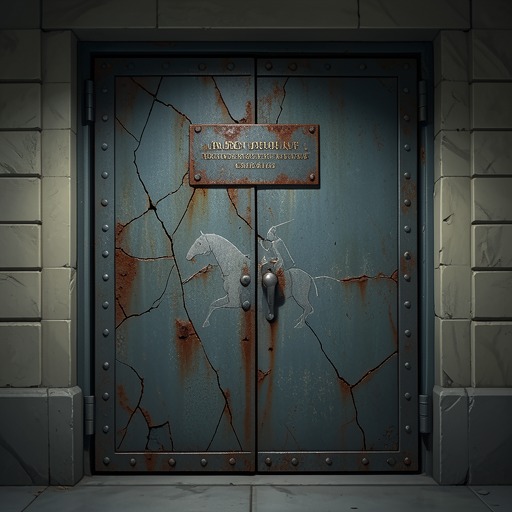
The image becomes explicit when Ginger cleans the old inn sign. Beneath years of grime, its rider appears as a grinning skeleton, making death—not a living horseman—the sign’s unmistakable subject. Mrs Dane Calthrop connects the image to the Book of Revelation, where the pale horse’s rider is identified with Death and Hell follows. The recovered sign gives the inn’s name a stark visual meaning, while the biblical reference places that meaning within a familiar tradition of death imagery.
Occult Spectacle as Misdirection
The Pale Horse’s association with death is deliberately cultivated through the language and props of occult power. Mark recalls Thyrza Grey speaking of rare, untraceable poisons and invoking a repertoire that includes a trance, White cockerels, a brazier, pentagrams, and a reversed crucifix. He later judges the supposed supernatural apparatus to be bogus: the box, he suspects, is merely an electrical display, designed to make contemporary audiences receptive to talk of scientific forces just as older audiences might have been impressed by witchcraft.
In Mark’s explanation, the spectacle is a stalking horse. It invites attention to alleged powers that cannot plausibly be prosecuted as murder, while directing suspicion away from the real operation. The Pale Horse therefore signifies death in two registers: through its skeleton rider and biblical allusion, and through the concealed killings that its theatrical performance helps disguise.
Recognition and Suspicion
The name also provokes a revealing reaction outside the inn. After visiting Mrs Tuckerton’s house, Mark asks whether she knows the Pale Horse; she responds with unmistakable panic. The moment makes the name a point of recognition and suspicion, though her reaction alone does not establish what she knows or prove her involvement.
The cleaned sign offers a final, concrete counterpart to the elaborate performance: the death emblem is visible once the grime is removed. Mrs Dane Calthrop supplies its scriptural association, and then treats the revelation without ceremony. That understated ending leaves the symbol legible but strips it of occult glamour. Death remains the meaning of the Pale Horse; supernatural power does not.